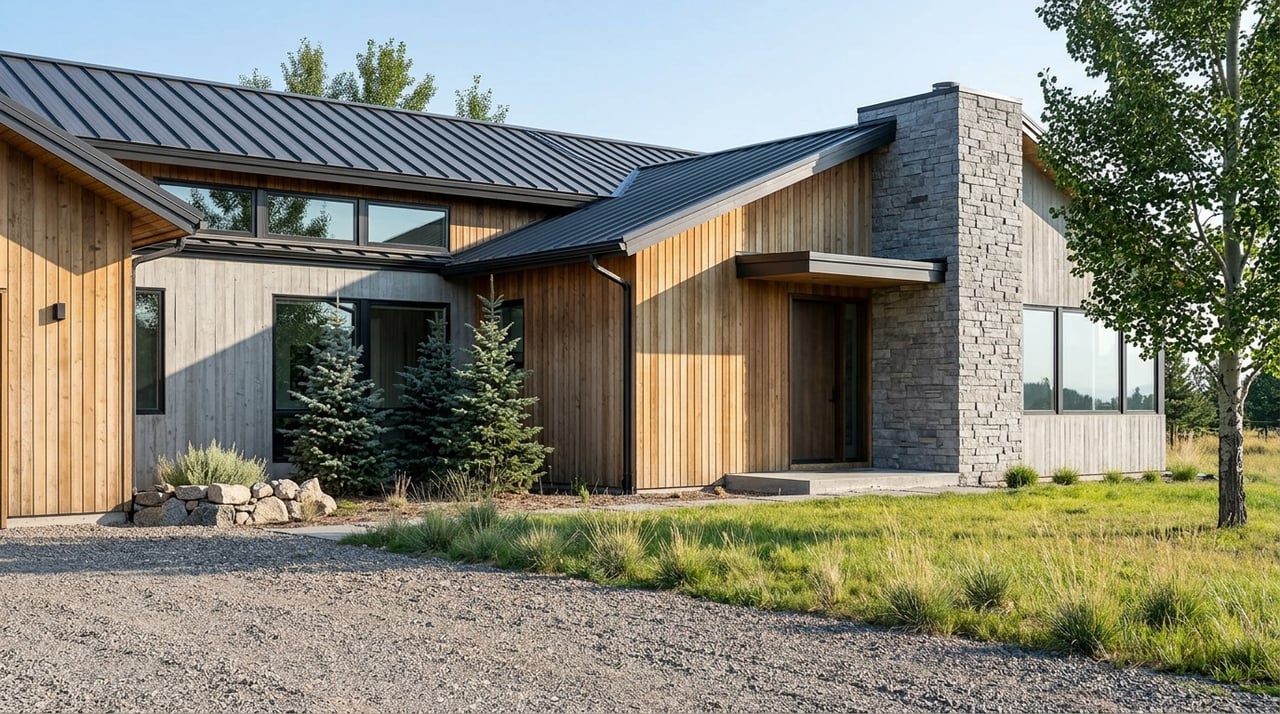
Kamas Valley Lifestyle: Quiet Country Living Near Park City
June 4, 2026
June 4, 2026
Looking for more space, quieter mornings, and easy access to the mountains without feeling cut off from Park City? Kamas Valley stands out for exactly that balance. If you want a rural setting with open land, a strong outdoor culture, and a practical connection to town amenities, this guide will help you understand what daily life here really feels like. Let’s dive in.
Kamas Valley is best understood as a rural mountain-valley community with Kamas city at its center. The City of Kamas describes itself as the Gateway to the Uintas, located about 18 miles east of Park City and about 45 miles southeast of Salt Lake City. That location gives you a quieter setting while keeping larger destinations within reach.
The physical scale also shapes the lifestyle. Kamas city itself is compact at 3.7 square miles, but the surrounding valley feels much larger because of the open pasture, mountain views, and nearby public lands. In everyday terms, that means you get a small civic core paired with a broad natural landscape.
Daily life here tends to move at a different pace than in denser resort or suburban areas. The valley has deep roots in agriculture and working land, with local history tied to lumbering, dairying, stock raising, flour milling, and merchandising. Summit County history also connects the area to cattle ranching and fertile ground.
That history still matters because it helps explain why Kamas Valley feels grounded and spacious today. Rather than expanding around a conventional suburban street pattern, the area is still strongly shaped by ranch land, open space, and mountain access. If you are picturing grassy plains, wide views, and a more country-oriented rhythm, that image fits the area well.
Kamas also functions as a practical town center for the valley. City services, local schools, and a Summit County Library branch are located in town. So while the setting feels rural, your daily routine can still include nearby community basics.
One of the biggest draws of Kamas Valley is how closely daily life connects to public land and four-season recreation. The Heber-Kamas Ranger District is described by the U.S. Forest Service as a busy destination year-round. In warmer months, recreation includes hiking, camping, fishing, mountain biking, backpacking, and OHV riding.
Winter brings a different rhythm. The same district draws backcountry skiers, dog sledders, and snowmobilers. Across the broader Uinta-Wasatch-Cache National Forest, the Forest Service also highlights scenic driving, picnicking, boating, wildlife viewing, and skiing.
For many buyers, this is what makes Kamas Valley feel so distinct. Recreation is not a once-in-a-while event that requires a major plan. It is woven into the setting and often starts just beyond town.
Mirror Lake Highway plays a major role in the local lifestyle. According to the Forest Service, it begins east of Kamas and travels through farm and ranch land into forested mountain terrain. It also provides many access points into the High Uinta Wilderness.
That route helps connect the valley’s country setting with its mountain identity. You can be in town, then quickly on your way toward trailheads, lakes, campsites, and alpine scenery. The presence of the Heber-Kamas Ranger District office in Kamas reinforces how closely the community is tied to nearby public lands.
In Kamas Valley, rural character is not just a selling point. It is also reflected in local policy and planning. Summit County’s Lands & Natural Resources Department says its work includes preserving rural mountain character and quality of life through agriculture protection areas, conservation easements, and open-space management.
The City of Kamas expresses a similar goal. Its mission includes balancing growth with preservation of the open and rural environment. That matters if you are drawn to the area because you want land, views, and a quieter setting that still feels intentional.
Recent planning efforts continue that theme. The city’s SR-32 corridor plan focuses on balancing growth with preserving rural character and open space, while also improving roadway safety, building trails, and supporting vibrant city centers. In late 2025, Summit County also announced permanent protection of the 835-acre Ure Ranch along the Kamas Valley entry corridor for agriculture, wildlife habitat, and public recreational open space.
If you are considering a move here, these efforts help explain why the area feels the way it does. The country-living atmosphere is supported by ranching heritage, open-space priorities, and ongoing conservation work. For buyers who want more land and a slower pace, that can be a meaningful part of the decision.
It also means expectations should match the setting. Kamas Valley is likely to appeal more to people who value space, scenery, and access to the outdoors than to those seeking a more conventional suburban layout. That difference is often part of its appeal.
Rural does not mean disconnected in Kamas Valley. The city places Kamas about 18 miles from Park City and about 45 miles from Salt Lake City, which keeps regional access relatively straightforward. That distance can make it easier to enjoy a quieter home base while still reaching work, dining, shopping, and recreation in nearby hubs.
Transit also adds another layer of convenience. Current materials show a Kamas commuter route with five daily trips each direction between Park City and the Kamas Park & Ride, operating seven days a week. For some residents, that offers another option beyond driving.
This balance is a big part of the area’s appeal. You can feel removed from the busier pace of larger resort and metro areas without feeling isolated from them.
Kamas keeps its small-town identity, but it still offers practical day-to-day institutions. South Summit Elementary, Middle, and High Schools all operate in Kamas. The Summit County Library also maintains a Kamas Branch on Main Street.
These local amenities support routine living in a way that matches the valley’s scale. They do not change the area’s rural character, but they do make daily life more functional and grounded. For many buyers, that mix of simplicity and convenience is part of what makes the valley work.
Kamas Valley tends to resonate with buyers who want a different kind of mountain lifestyle. Instead of prioritizing a dense resort setting, they are often looking for room to breathe, a strong sense of landscape, and direct access to outdoor recreation. They may also want to stay within reach of Park City and Salt Lake City.
That can include buyers seeking small-acreage living, a rural backdrop, or a home base that feels calm and connected to the land. It can also appeal to those relocating from busier markets who want more space without giving up proximity to established destinations. The key is understanding that Kamas Valley offers a quieter kind of access, not a fully urban or resort-centered experience.
Before buying in Kamas Valley, it helps to think about how you want your daily life to feel. If your ideal routine includes open views, seasonal recreation, and a small-town center rather than constant activity, the valley may be a strong fit. If you prefer denser services and a faster pace right outside your door, you may want to compare it with other nearby areas.
It is also smart to look at how often you plan to travel into Park City or Salt Lake City. The location is connected, but the lifestyle remains notably more rural. For many buyers, that is exactly the point.
If you are exploring Kamas Valley as a primary home, second home, or relocation option, working with an advisor who understands both the Park City area and the nuances of quieter outlying communities can make the process much clearer. If you want help comparing Kamas Valley with other nearby lifestyle options, connect with Cathy Richards for a complimentary market consultation.
Cathy & Ilies are dedicated to helping you find your dream home and assisting with any selling needs you may have. Contact us today to start your home searching journey!