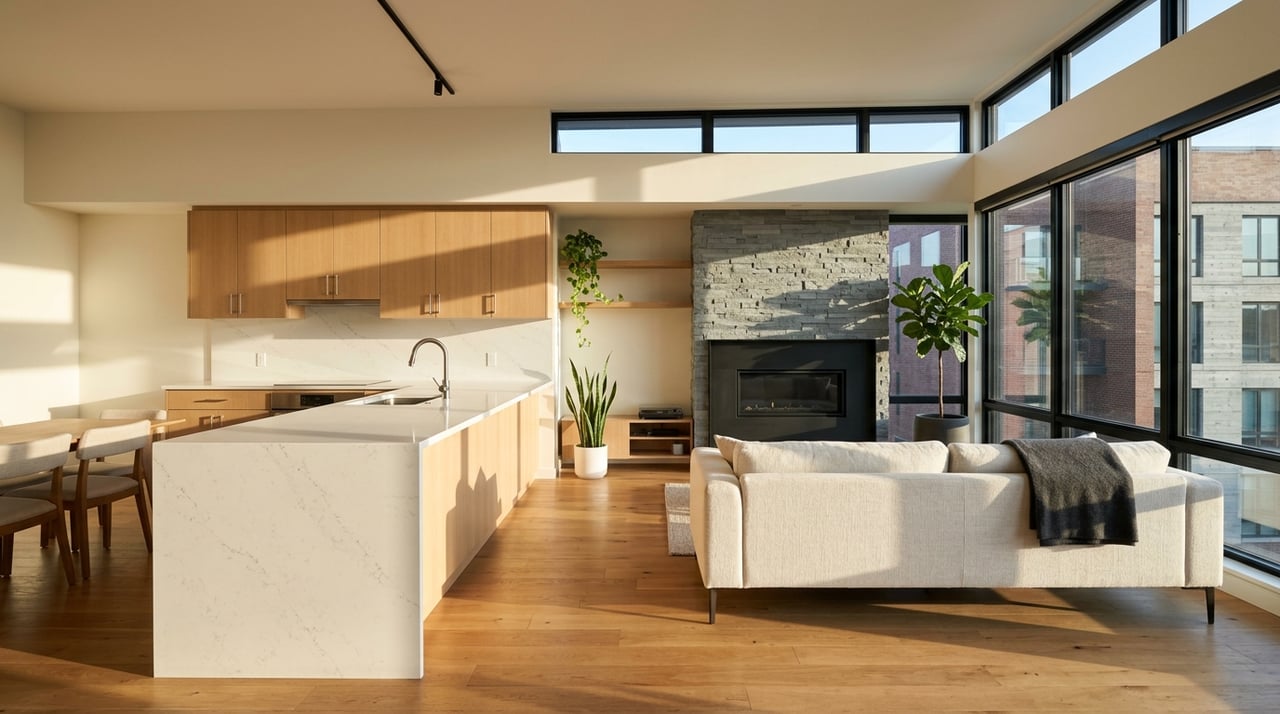
What It’s Like To Live In Downtown Salt Lake City
June 11, 2026
June 11, 2026
Craving a more connected daily routine? If you like the idea of walking to coffee, catching a concert downtown, hopping on light rail, and getting to the airport without a long drive, downtown Salt Lake City stands out. For many buyers, it offers an urban lifestyle that feels practical, active, and surprisingly easy to navigate. Here’s what you can expect if you’re thinking about living in the heart of Salt Lake City.
Downtown Salt Lake City functions as the urban core for a much larger metro area. Salt Lake City’s estimated population was 217,783 in 2024, while Salt Lake County’s was 1,216,274, so downtown plays an outsized role in work, culture, dining, and events.
That matters when you choose where to live. A downtown address often means being closer to the places people already gather for restaurants, shopping, performances, and civic events. If you want energy and convenience in one place, downtown delivers that mix.
One of downtown’s biggest lifestyle advantages is how easy it is to get around without relying on your car for every errand. UTA’s TRAX light rail runs seven days a week across 42.5 miles and 50 stations, with peak service every 15 minutes, and FrontRunner connects the broader Ogden-to-Provo corridor from Salt Lake Central and other stations.
Downtown also includes a Free Fare Zone for TRAX and fixed-route buses. GREENbike stations near transit connections add another practical option for short trips. If you want a more car-light lifestyle, this is one of the strongest cases for living downtown.
For frequent travelers, downtown’s location is especially convenient. Salt Lake City International Airport is six miles west of downtown, which translates to about a ten-minute drive or roughly a fifteen-minute TRAX ride.
That kind of access can make a big difference if you travel often for work, split time between homes, or simply want easier arrivals and departures. For some buyers, this is one of downtown’s most underrated advantages.
If you do keep a car, downtown living usually requires a more intentional approach to parking. Salt Lake City lists metered street parking at $3.50 per hour, with weekday and evening enforcement.
This does not mean parking is impossible. It does mean the experience is less casual than in more suburban parts of the valley. If you are comparing downtown to a neighborhood with driveways and larger lots, this is one of the trade-offs to keep in mind.
A major appeal of downtown Salt Lake City is that you can often combine multiple parts of your day into one outing. The area is the city’s main concentration of restaurants, bars, coffee shops, shopping, and evening activity.
In practical terms, that can mean grabbing coffee, running errands, meeting friends for dinner, and catching an event without a long cross-town drive. For buyers who value time and convenience, that daily efficiency is a meaningful lifestyle benefit.
City Creek Center is the major shopping anchor downtown. Around Main Street and nearby blocks, you’ll also find a steady mix of restaurants, bars, and coffee shops that keep the area active throughout the day and into the evening.
That street-level activity gives downtown a lived-in feel rather than a purely office-centered one. If you want a neighborhood where there is usually something happening nearby, downtown has that rhythm.
Downtown is also home to recurring public events that shape the local vibe. Visit Salt Lake highlights the downtown farmers market at Pioneer Park, concerts at Gallivan Square, and an active after-dusk scene.
The Downtown Farmers Market has operated for 33 years and hosts more than 300 vendors. For residents, that means weekend plans can be simple. You can walk or ride over, spend a few hours outdoors, and still keep the rest of your day flexible.
Downtown Salt Lake City has a stronger arts presence than many buyers expect. Salt Lake City’s public art program says the city has more than 150 permanent artworks, and Downtown Alliance describes The Blocks as downtown’s Arts District and the highest concentration of arts, culture, events, activities, and entertainment in Utah.
That creates a lifestyle where art and performance are not occasional add-ons. They are part of the neighborhood experience. If you enjoy being near theaters, galleries, concerts, and public events, downtown offers real depth.
Several established venues anchor downtown’s cultural identity. The Capitol Theatre has been part of the arts community since 1913, the Rose Wagner Performing Arts Center houses three theaters and studio spaces, Maurice Abravanel Hall is a downtown concert venue, and the Utah Museum of Contemporary Art sits in the heart of downtown.
Visit Salt Lake also highlights recurring festivals and civic gatherings such as Pride and the Salt Lake Arts Festival. These events help create an active calendar that keeps evenings and weekends interesting for residents.
Living downtown does not mean giving up access to open space. Salt Lake City describes City Creek Canyon as a close-by escape from the summer heat, with a 1.2-mile shared-use path through Memory Grove and a 5.8-mile paved canyon road beyond it.
That nearby access can be a nice counterbalance to urban living. You can be in the center of the city and still have a straightforward option for a walk, bike ride, or a quieter stretch outdoors.
For buyers who want a city base with mountain access, downtown can be practical. Visit Salt Lake says Solitude is about 30 minutes from downtown, and Alta is about 25 miles southeast of downtown.
That setup can appeal to people who want restaurants, culture, transit, and airport access in their everyday environment, while still keeping weekend recreation within reach. It is a different lifestyle than living in a resort area, but for the right buyer, it can be a very workable balance.
If you are shopping downtown, there is a good chance your search will center on condos or other HOA-governed homes. Utah’s HOA guidance says buyers own their individual unit plus a shared interest in the common areas, and condo assessments help fund routine costs and reserve funds for major future repairs.
This ownership model is a major part of what downtown living feels like. It often supports a lower-maintenance, lock-and-leave lifestyle, but it also comes with shared rules, dues, and documents you should review carefully.
For many buyers, condo ownership fits the downtown lifestyle well. Shared building upkeep can reduce day-to-day maintenance, which is helpful if you travel often, own a second home, or simply prefer less exterior responsibility.
This can make downtown especially appealing to full-time residents who want convenience and to part-time owners who need a practical home base. If ease of ownership matters to you, this is one of downtown’s biggest strengths.
Utah law requires condo communities to have bylaws governing administration, and buyers should understand association rules, dues, reserve information, and other documents before closing. Special assessments can also happen if an association needs additional funds.
Before you move forward on a downtown condo, it helps to review:
A careful review upfront can help you compare buildings more confidently and avoid surprises later.
Downtown Salt Lake City tends to work best for buyers who want convenience, access, and a more urban pace. It can be especially attractive if your priorities center on mobility, low-maintenance ownership, or a home base close to travel and culture.
Buyers who often find downtown appealing include:
Downtown is not the right fit for everyone. If your ideal home includes a large private yard, minimal HOA oversight, or a quieter suburban feel, you may prefer a different part of the Salt Lake Valley.
Air quality is another practical factor to consider. Utah DEQ says a typical Utah winter brings about five to six multi-day inversion episodes and, on average, 18 days with high PM2.5 levels above the federal standard. If you are sensitive to winter air quality, that is worth factoring into your decision.
Living in downtown Salt Lake City means choosing convenience, culture, and a more connected routine. You are trading some suburban ease, especially around parking and private outdoor space, for stronger access to transit, dining, events, and day-to-day amenities.
For the right buyer, that trade can feel well worth it. If you want a compact, amenity-rich home base with quick airport access, a strong arts scene, and housing options that support lower-maintenance living, downtown Salt Lake City offers a compelling urban option.
If you’re weighing downtown Salt Lake City against other neighborhoods, a second-home purchase, or a relocation move, working with a local advisor can help you compare lifestyle fit, property type, and ownership details more clearly. To talk through your options, connect with Cathy Richards.
Cathy & Ilies are dedicated to helping you find your dream home and assisting with any selling needs you may have. Contact us today to start your home searching journey!