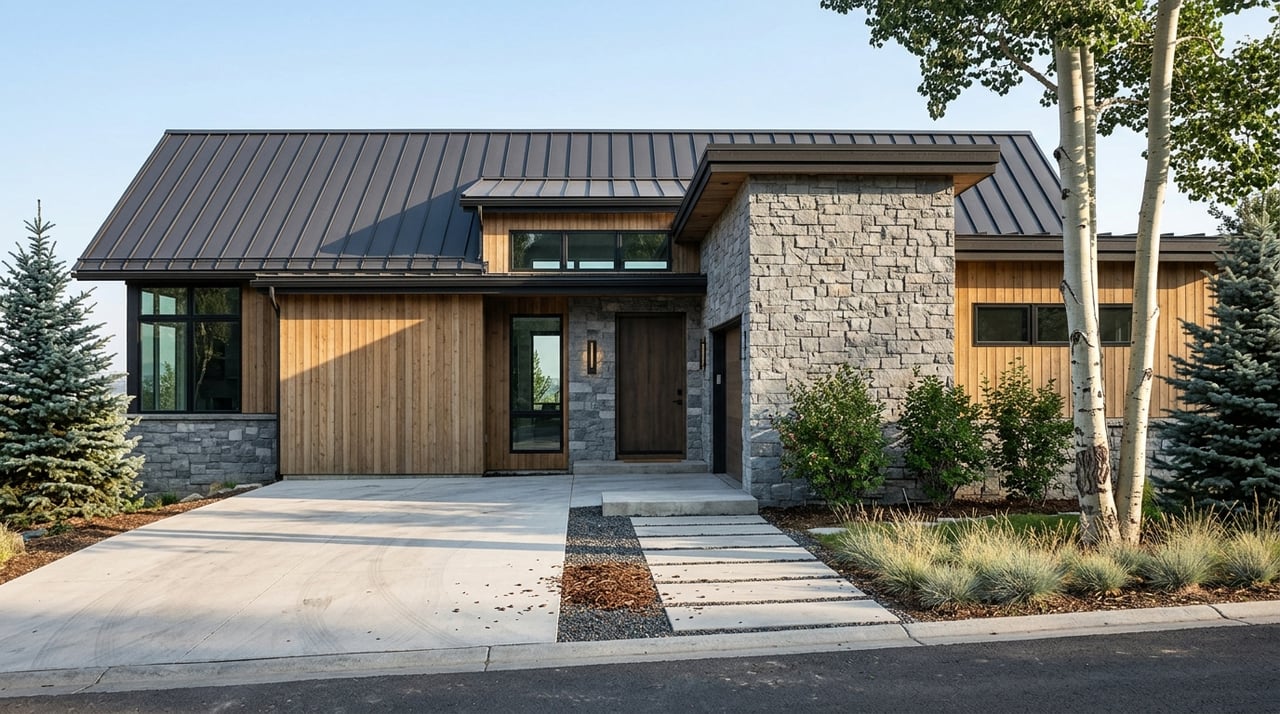
Heber City Or Park City? How To Choose Your Mountain Home Base
June 18, 2026
June 18, 2026
Trying to choose between Heber City and Park City for your mountain home base? You are not alone. Both offer beautiful Wasatch Back living, but the day-to-day experience, home prices, and housing options can feel very different once you look past the postcard views. This guide breaks down the biggest differences so you can decide which location fits your budget, lifestyle, and long-term plans. Let’s dive in.
For most buyers, the clearest dividing line between Heber City and Park City is cost. Recent Park City Board of REALTORS data shows a major gap between the two markets, with Heber Valley sitting in a much lower price band than in-town Park City.
In Q2 2025, the median single-family sale price was $3.95 million in Park City limits versus $1.03 million in Heber Valley. For condominiums, the median was $1.85 million in Park City compared with $549,900 in Heber Valley. Because the report groups Heber as Heber Valley, these numbers work best as directional snapshots, but the overall message is clear: Park City commands a much higher entry point.
Census home-value data points in the same direction. Median owner-occupied home value was $1,757,800 in Park City and $654,200 in Heber City. Monthly ownership costs also run higher in Park City, with median owner costs with a mortgage at $3,360 versus $2,347 in Heber.
If you want to stretch your budget further, Heber City will usually offer more options. If you are willing to pay more for a location with a concentrated resort setting, attached housing, and easier access to in-town amenities, Park City may justify the premium.
The type of home you want can quickly point you toward one market over the other. Heber and Park City do not just differ in price. They differ in how the housing stock feels and functions.
Heber planning documents emphasize open space, rural character, and development patterns that help protect remaining open land. That local vision lines up with recent market activity. In Q2 2025, Heber Valley recorded 339 single-family sales and 129 condo sales, suggesting a market weighted more heavily toward detached homes and lower-density living.
Park City has a different built environment. Its planning framework centers small-town character, natural setting, and historic preservation, and the Main Street Area Plan specifically focuses on preserving Historic Main Street. In Q2 2025, Park City limits had 257 condo sales versus 125 single-family sales, which shows how strongly attached and resort-style housing shape the in-town market.
Mountain home buyers often focus on ski access, views, or architecture first. Those matter, but your daily routine matters just as much. The better choice often comes down to how you want an average Tuesday to feel.
Park City is easier to navigate without relying entirely on a car. Park City Transit has been fare-free since 1975 and operates 9 routes with 50 vehicles, including 20 zero-emission buses. The city also offers park-and-rides, microtransit, and express routes, and its General Plan explicitly aims to reduce dependence on cars.
Heber’s transportation planning is more road and corridor focused. The city points to the UDOT environmental impact statement for improvements along US-40 between SR-32 and US-189, along with added non-motorized options. That suggests a different rhythm of living, one where driving remains a larger part of everyday movement.
If you want to step into a more connected in-town network of transit, events, and attached housing, Park City has the edge. If you do not mind driving more and you prefer more separation, space, and a lower-density pattern, Heber may feel more natural.
Both areas give you access to mountain living, but the experience is not identical. Park City delivers a more concentrated resort and event atmosphere, while Heber offers a quieter open-space identity.
Park City describes itself as home to two world-class ski resorts and about 8,500 full-time residents, while also hosting a broad calendar of annual events and cultural experiences. Its open-space and trail system includes more than 7,000 acres of preserved open space, more than 350 miles of recreational trails, and about 75 kilometers of groomed winter trails.
Heber’s identity is shaped less by a resort core and more by preservation of farmland, trails, scenic value, and rural character. Local planning materials frame open space as part of everyday quality of life and a distinct sense of place. That difference matters if you are deciding between a resort-centered base and a more spacious valley-centered one.
Do you want your home base to feel close to a lively resort core with events, transit, and a historic center? Or do you want it to feel more grounded in open land, separation between communities, and a quieter residential pattern? Your answer can narrow the choice quickly.
No matter which base you choose, mountain travel is part of the equation. UDOT notes that winter driving in the Wasatch Back can be unpredictable, and seasonal roads like Guardsman Pass are typically closed from November through May or June.
That does not make either location better or worse on its own. It simply means your preferred routes, winter habits, and tolerance for seasonal travel changes should be part of your home search. If you expect frequent trips around the region, it helps to think through those logistics early.
While every buyer is different, the data does reveal broad patterns. Heber generally looks more like a space-oriented, value-conscious mountain base, while Park City reads as the higher-cost, amenity-dense resort core.
Heber City’s 2024 population estimate was 19,042, with 32.2% of residents under 18 and an average household size of 3.11 people. Park City’s 2024 estimate was 8,292, with 16.7% of residents under 18, 21.6% age 65 and older, and an average household size of 2.31 people. Those differences support the idea that Heber often appeals to buyers looking for more space and lower entry pricing, while Park City often appeals to buyers prioritizing walkability, transit, historic character, and direct resort access.
If you are still deciding, try filtering your search through four practical questions.
Not just your purchase price, but your monthly comfort level. Park City has a much higher ownership cost profile, so it helps to define what feels sustainable before you fall in love with a location.
If you want a car-light routine, easy transit access, and an amenity-rich core, Park City stands out. If you want more room, more separation, and a quieter pace, Heber may feel like the better fit.
Detached home shoppers may find Heber more aligned with their goals. Buyers looking for condos, townhomes, or a stronger resort-housing mix may feel more at home in Park City.
Some buyers want a second home with easy resort access. Others want a primary residence with more space and a lower entry point. Being honest about how you will use the property usually clarifies the decision.
The right answer is not about which place is better in general. It is about which place fits you better. If you want help comparing specific neighborhoods, price points, or property types in the Wasatch Back, Cathy Richards can help you evaluate the options with clear local insight and a concierge-level approach.
Cathy & Ilies are dedicated to helping you find your dream home and assisting with any selling needs you may have. Contact us today to start your home searching journey!