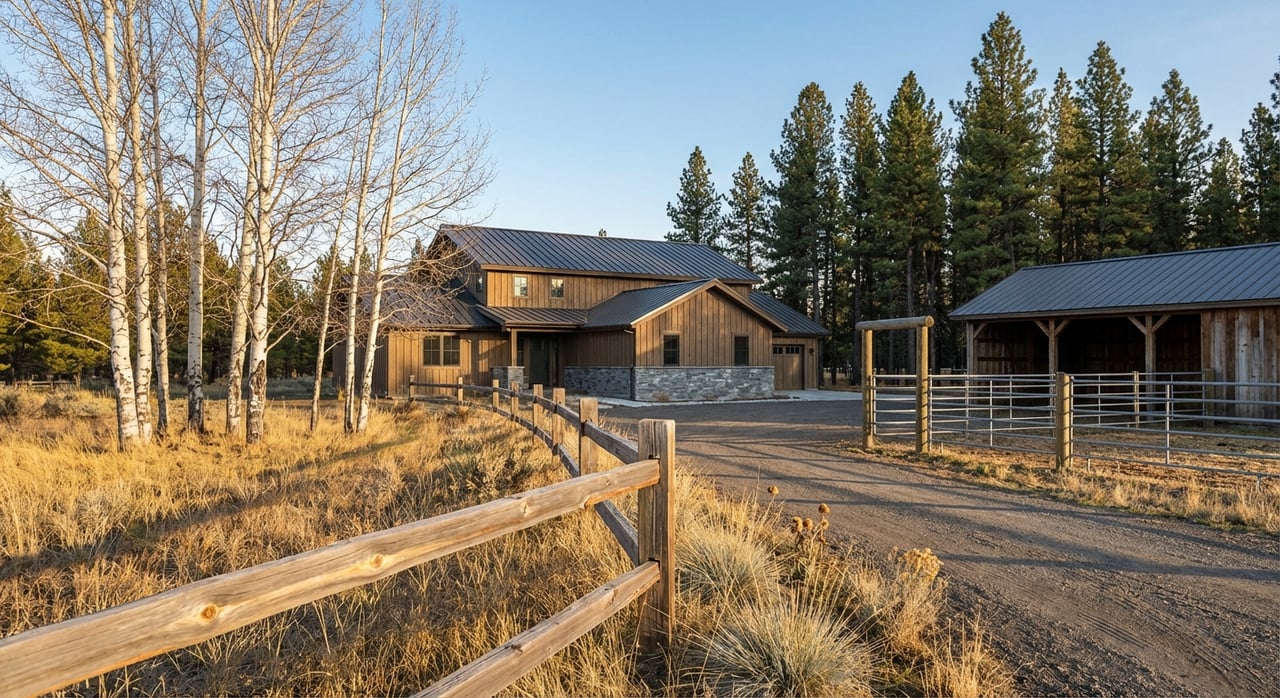
Kamas Valley: Rural Living Near Park City
February 19, 2026
February 19, 2026
Craving more space, maybe room for horses, yet still want to be 20 to 30 minutes from Park City? Kamas Valley could be your perfect fit. You get small‑town services, big‑sky views, and fast access to the Uinta Mountains without giving up an easy resort commute. In this guide, you’ll learn what daily life feels like, the types of homes and lots you can find, how zoning and water rules work, and practical tips to buy with confidence. Let’s dive in.
Kamas sits on the western edge of the Kamas Valley in eastern Summit County, often called the gateway to the Uintas. It anchors a rural valley of small towns like Oakley, Francis, Marion, Woodland, and Peoa. City services and community updates are posted on the City of Kamas website, which gives the area a true small‑town backbone.
You’re roughly 16 miles from Park City via UT‑248, with a typical 20 to 30 minute drive under normal conditions, which makes commuting or dinner in town straightforward (distance details). The valley is also home to the Kamas Valley Branch of the Summit County Library, a visible local hub with regular programming and meetings at the Kamas library branch. Public schools are served by the South Summit School District, with elementary through high school based in Kamas.
Directly from Kamas, the Mirror Lake Highway (UT‑150) heads into the High Uintas, a favorite for alpine lakes, trailheads, and colorful fall drives. The route is seasonal, typically open mid‑spring through mid‑fall. Get an overview of the scenic byway and key stops from Visit Utah’s Mirror Lake Scenic Byway guide.
In summer, you’ll find hiking, biking, fishing, and camping close by. In winter, locals enjoy snowmobiling and nordic or backcountry touring. It is a true country lifestyle that still keeps Park City’s lifts, dining, and events within reach.
If horses are part of your plan, Kamas Valley makes it practical. The area includes ranch properties, estate lots, and planned communities designed with equestrian use in mind. High Star Ranch in Kamas is a well‑known example, with access to trails and on‑site outfitters such as Rhodes Valley Outfitters nearby. Facilities, trail systems, and fees vary by property and community, so verify what is included before you buy.
You can choose from in‑town homes, planned‑community lots, and larger estate or ranch parcels. Here is a simple snapshot of what you’ll commonly see:
As of February 16, 2026, recent snapshots for the Kamas/84036 area show median prices often in the range of roughly $1.0 million to $1.5 million depending on timing and product type. Actual values vary widely by location, acreage, improvements, and amenities. Regionally, coverage has documented Park City price pressure pushing buyers into nearby valleys, including Kamas, which helps explain demand for space and land (context on spillover demand).
Most of the valley outside city limits falls under Summit County’s Eastern Summit County Planning District. Zoning includes agriculture and grazing designations labeled AG‑5, AG‑10, AG‑20, AG‑40, and AG‑80, which generally express one home per X acres concepts. Clustering and agricultural‑preservation tools may apply, and approvals are parcel‑specific. Start with the county’s planning page for links to the code and maps, and then confirm any property’s exact rights with a planner and surveyor (planning district overview).
You can plan on about 20 to 30 minutes to Park City via UT‑248 in normal conditions, and roughly 45 to 60 minutes to Salt Lake City or the airport depending on weather and traffic. Winter driving is part of life here. On rural roads, you may be responsible for private snow removal; inside city limits and some HOAs, snow and road maintenance are planned and posted seasonally by the city or community. For current notices, check the City of Kamas updates.
This is the most important part of buying rural land in Kamas Valley.
Some planned communities charge HOA dues that cover private roads, trail systems, snow removal, and amenities. Many rural parcels have no HOA but may have shared road or ditch assessments. Property taxes in the area are often considered relatively low compared with many U.S. counties, but your bill depends on land, improvements, and any special assessments. Always verify dues, services, and tax estimates during due diligence.
Use this quick path to move forward with clarity:
If you want land, trails, and a quieter pace close to Park City, Kamas Valley delivers. You bring the lifestyle goals; we’ll bring clear guidance on zoning, water, and value, plus on‑the‑ground touring and seamless logistics. To map the right properties and timing for you, reach out to Cathy Richards for a Complimentary Market Consultation.
Cathy & Ilies are dedicated to helping you find your dream home and assisting with any selling needs you may have. Contact us today to start your home searching journey!