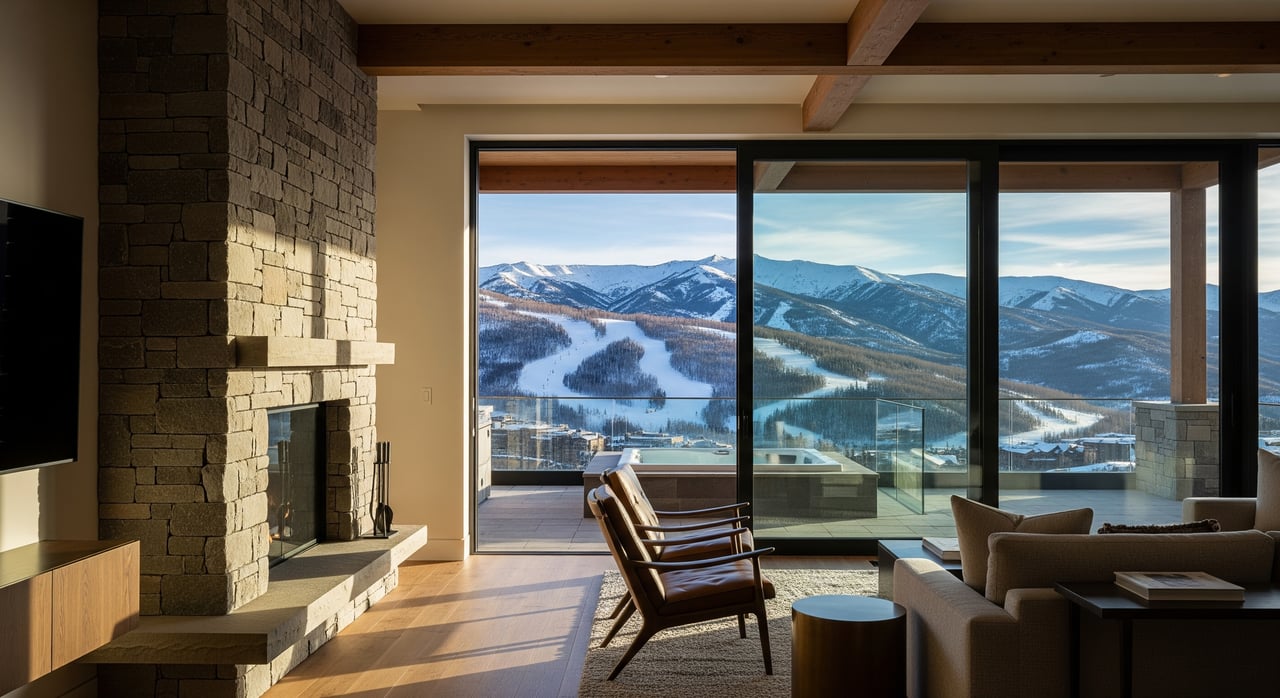
Condo‑Hotel vs Condo in Park City: Key Differences
January 1, 2026
January 1, 2026
Deciding between a condo-hotel and a standard condo near Canyons Village can feel tricky. You want a great Park City lifestyle, maybe some rental income, and a property that is easy to own. The right choice depends on how you plan to use the home, how you want it managed, and how you intend to finance it. This guide breaks down the key differences in Snyderville Basin so you can move forward with clarity. Let’s dive in.
Condo-hotels operate like hotels with individually owned units. A professional on-site team handles reservations, housekeeping, and guest services. Owners usually sign a rental agreement, follow an owner-use calendar, and share revenue based on a management split. Standard condos are governed by an HOA, and owners decide how to use and manage the unit within HOA and local rules.
In general, condo-hotels offer hotel-level amenities and hands-off operations, but they often come with higher fees and tighter owner-use rules. Standard condos usually offer more personal-use freedom and broader financing options.
Condo-hotels in and around Canyons Village run under a centralized hotel management program. The operator oversees bookings, front desk, housekeeping, maintenance, and distribution on brand websites and major channels. Owners typically agree to a rental program that sets owner-use windows and rental availability expectations.
You can expect:
This model works best if you want simple, hotel-style operations and are comfortable trading some personal flexibility for consistency and services.
Standard condos rely on an HOA for community rules, budgets, and maintenance standards. You decide how to use your home, subject to HOA and local rules. You can live in it full-time, rent long term, or rent short term if the HOA and local rules allow it.
If you plan to rent nightly, you can self-manage or hire a local property manager. Furnishings are up to you unless your HOA or a voluntary rental program sets guidelines. This model gives you more control, but it also means more hands-on decisions about marketing, housekeeping, and guest experience if you pursue short-term rental.
Condo-hotels are designed to function like resorts. Many offer a 24/7 front desk, concierge, daily housekeeping, on-site dining, spa and fitness facilities, and valet or bell services. These services enhance the guest experience and can support stronger nightly rates during peak seasons, but they also increase operating costs and master association fees.
Standard condos can still offer strong amenities like pools, hot tubs, fitness rooms, and shuttles. However, daily housekeeping and a centralized booking engine are not typical unless the HOA contracts for them. HOA dues vary widely, and overall expenses tend to be lower than full-service condo-hotels.
Condo-hotels often require you to book personal stays on an owner-use calendar, sometimes with advance deadlines and peak-period restrictions. If you want peak winter weeks for personal use, you may face limited availability or additional fees depending on the building’s rules. Standard condos typically do not have an owner-use system, so personal stays are up to you.
Financing is one of the biggest differences. Many condo-hotels do not meet Fannie Mae or Freddie Mac warrantability standards because of hotel operations, rental pools, and a high share of non-owner occupants. As a result, buyers often use portfolio or jumbo loans with higher down payments and different underwriting.
Standard condos that are warrantable may qualify for conventional loans and, in some cases, FHA or VA financing if the project is approved. Ask early whether a specific building is warrantable and which loan products are realistic. Review general condominium project standards directly from Fannie Mae and Freddie Mac to understand how lenders evaluate projects.
Both property types have a master policy that covers the building and common areas. As an owner, you carry your own walls-in policy and liability coverage. If you operate as a short-term rental, you may need endorsements or a policy tailored to nightly rental exposure. Condo-hotel owners should confirm the specific coverage required by the management agreement.
Nightly rentals in condo-hotels are typically subject to transient occupancy or room taxes. The hotel operator usually collects and remits these taxes and shows them on your owner statements. If you own a standard condo and self-manage short-term rentals, you are generally responsible for collecting and remitting applicable local taxes. Work with a CPA to structure reporting, depreciation, and expense allocations correctly.
Short-term rental rules vary by jurisdiction. The Park City municipal code and unincorporated Summit County rules are not the same. First, confirm whether the property is inside Park City limits or in Snyderville Basin. Then review licensing, permit requirements, and any caps or compliance standards that apply.
Your HOA may also have specific rental rules, registration steps, or minimum-stay requirements. Make sure you understand both layers of regulation before you buy.
Condo-hotel units usually appeal to buyers who value hotel services and rental income. They can command premium pricing in strong tourism cycles, but the buyer pool is narrower and financing is more limited. In a slower market, that can affect days on market and negotiation leverage.
Standard condos appeal to a broader audience, including primary and second-home users. Warrantable projects are often easier to finance, which can help resale liquidity, especially for buyers who plan to use conventional or FHA/VA loans.
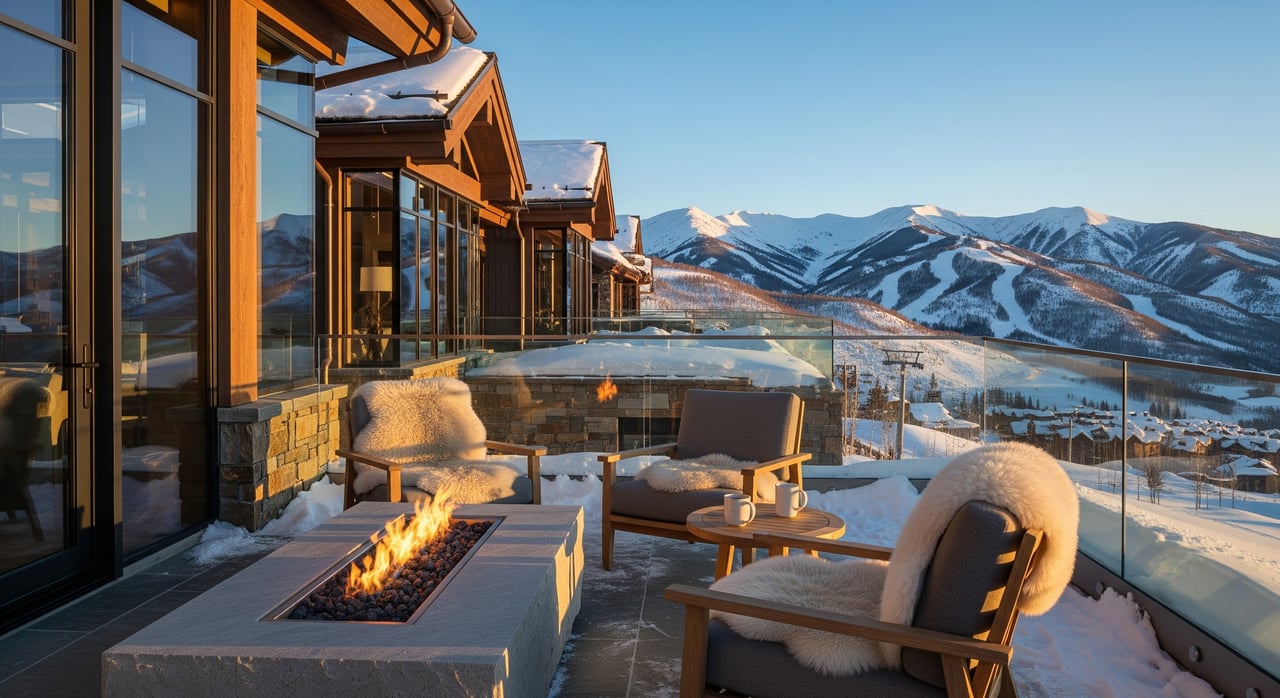
Snyderville Basin and Canyons Village are resort-driven. Winter ski season and summer events create pronounced seasonality in occupancy and nightly rates. Proximity to ski lifts, on-site services, and transit options are key demand drivers. New branded developments can increase supply of professionally managed nightly rental inventory, while owner-operated STRs in standard condos also shape occupancy and ADR across the area.
Your decision should align with how you intend to use the property during peak periods, your appetite for hands-on management, and your long-term financing and resale goals.
Before you write an offer, gather and review the right documents. Here is a concise checklist to guide your process:
If you want hotel services, simplified operations, and are comfortable with set owner-use windows and higher fees, a condo-hotel near Canyons Village can be a strong fit. If you want maximum personal use, broader financing options, and control over rental strategy, a standard condo may serve you better.
Either way, your best move is to align your property choice with your lifestyle, tax planning, and financing plan. A quick conversation with a resort-savvy lender and a CPA can sharpen the numbers, while a local advisor can help you compare buildings, HOAs, and management agreements side by side.
Ready to compare specific Snyderville Basin properties, run rental scenarios, and review HOA or management docs? Connect with Cathy Richards to schedule a Complimentary Market Consultation.


Cathy & Ilies are dedicated to helping you find your dream home and assisting with any selling needs you may have. Contact us today to start your home searching journey!