Cottonwood Heights vs Sandy: Best Base for Skiing?
January 15, 2026
January 15, 2026
Picture this: dawn light on the Wasatch, a quick coffee, and you’re clicking into your skis before the crowds. If you split your time between a downtown Salt Lake City office and the canyons, your base matters. Cottonwood Heights and Sandy both deliver great lifestyles, but the day-to-day tradeoffs look a little different. In this guide, you’ll compare ski access, commute options, winter readiness, and housing styles so you can choose with confidence. Let’s dive in.
If skiing or riding is a regular part of your week, your proximity to the canyon mouths is a big deal. Shorter first miles make early starts and quick laps easier, and getting home faster helps you reset for work or family time. Drive times swing with weather, time of day, and route, so planning and flexibility pay off. The right home can save you hours across a season.
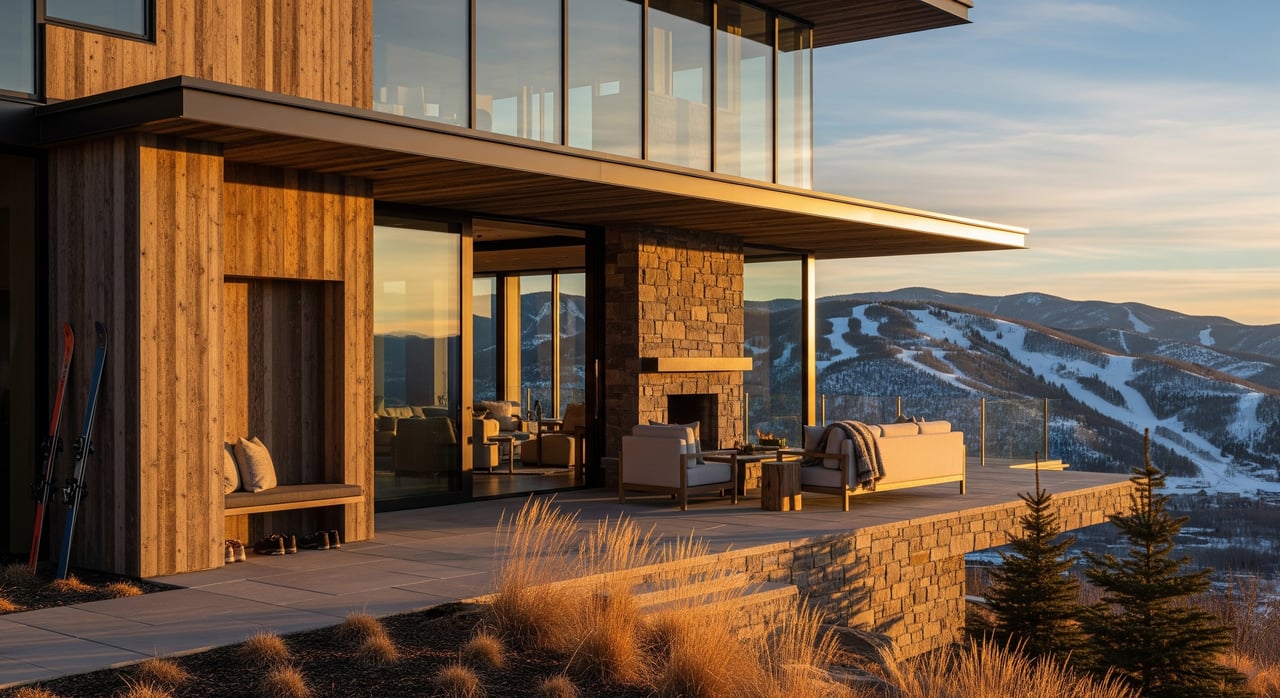
Cottonwood Heights sits at the mouths of both Big Cottonwood Canyon and Little Cottonwood Canyon, with multiple access points into each. Many neighborhoods are only a quick 5 to 20 minutes from canyon mouths or trailheads, depending on your exact street. That closeness reduces first-mile friction, whether you are catching first chair or sneaking in a bonus run.
Sandy is immediately south of Cottonwood Heights and still offers good access to the same canyons. Typical drives run in a 10 to 30 plus minute band to trailheads and resort parking, depending on where you start and your destination. You will likely add a few minutes each way compared to most Cottonwood Heights addresses, but still be well within day-trip range.
Storm mornings and weekend rush can stretch any commute. Avalanche-control closures and resort parking bottlenecks add variability. A simple plan helps:
Both cities connect to downtown via Wasatch Boulevard, I-215, and major arterials. Commute satisfaction depends on your schedule, weather, and willingness to navigate canyon-related traffic spillover on local roads. Some parts of Sandy with easy freeway access can be slightly quicker into downtown, while Cottonwood Heights neighborhoods near Wasatch Boulevard remain competitive for drivers.
Sandy has direct TRAX light-rail stations with Park-and-Ride options for a predictable, one-seat ride to downtown and the university area. If you prefer not to drive daily, this is a clear advantage. Consistent rail service can simplify door-to-desk time during winter weather.
Cottonwood Heights does not have a TRAX station within city limits. You’ll either use regional and local buses that connect to rail or drive to a Park-and-Ride or TRAX station nearby. If you are flexible with a bus plus rail combination or plan to drive most days, Cottonwood Heights still works well.
Both cities sit at the base of the Wasatch Range and get more winter precipitation than much of the valley. Higher-elevation and canyon-adjacent Cottonwood Heights neighborhoods tend to see more snow and colder temperatures than lower parts of Sandy. That extra snow brings better ski days but also more home and driveway management.
Municipal plowing prioritizes arterials, emergency routes, and bus routes before local streets. Many townhome or gated communities hire private plowing through an HOA, while individual owners handle driveways and sidewalks. Canyon roads and Wasatch Boulevard fall under state or county maintenance, and avalanche-control operations can close canyon routes temporarily.
Hillside lots in Cottonwood Heights often mean steeper driveways and narrower streets. In Sandy, many neighborhoods have flatter, traditional suburban streets. Both cities can enforce overnight parking restrictions during heavy snow, so check local rules before guests park on the street.
You will find a strong mix of single-family homes, many built or remodeled since the 1990s. Expect more hillside, custom, and view-oriented properties with variable lot sizes and mountain-facing designs. Townhomes and newer infill exist but are less common than in Sandy.
Sandy offers a wider range of property types: single-family homes including mid-century ranches, townhomes, condos, newer subdivisions, and multi-family options. This variety often means broader price points and more choices for smaller or lower-maintenance living. Retail and civic amenities are close in many areas.
Price varies by neighborhood, elevation, views, size, and age. Properties close to the canyons with strong mountain views, more common in Cottonwood Heights, tend to command higher price-per-square-foot. Sandy generally offers more entry points and a larger inventory of condos and townhomes. For current medians and days on market, review fresh local data before you write an offer.
Use this quick filter to align your lifestyle with the right city:
If your top priority is minimizing drive-to-resort time and maximizing mountain access and views, Cottonwood Heights often comes out ahead. If you value a predictable rail commute, a broader mix of housing types, and strong year-round amenities, Sandy is hard to beat. The right answer depends on how you weight ski frequency, commute style, winter tolerance, and budget.
If you want a tailored, neighborhood-by-neighborhood comparison and on-the-ground tours, we are here to help. Connect with Cathy Richards to Schedule a Complimentary Market Consultation and map the best options to your lifestyle.
Cathy & Ilies are dedicated to helping you find your dream home and assisting with any selling needs you may have. Contact us today to start your home searching journey!