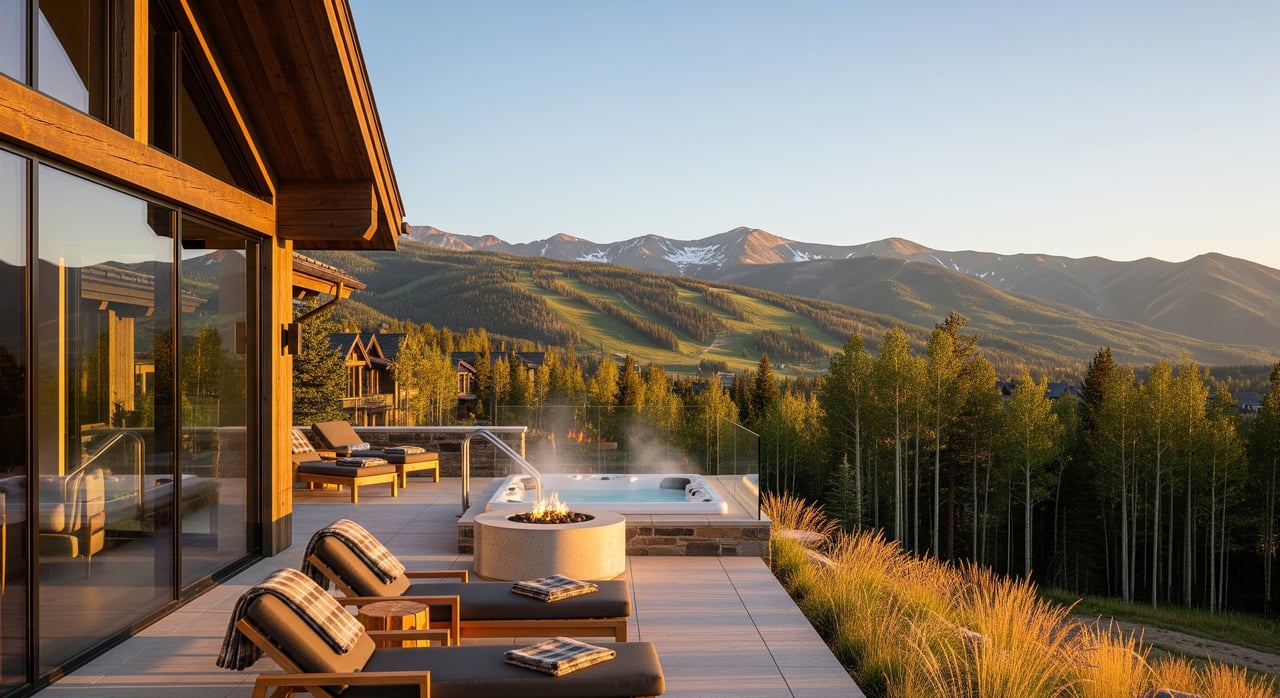
Year-Round Life In Park City And Deer Valley
February 5, 2026
February 5, 2026
Wondering what everyday life feels like at 7,000 feet in Park City and Deer Valley? If you are weighing a full-time move, you want the real picture, not just the ski-brochure version. In a mountain resort town, seasons, visitors, and weather shape almost everything from traffic to home care. In this guide, you will learn how life flows through winter, summer, and the quiet shoulder seasons, plus what to expect for housing, schools, services, and day-to-day logistics. Let’s dive in.
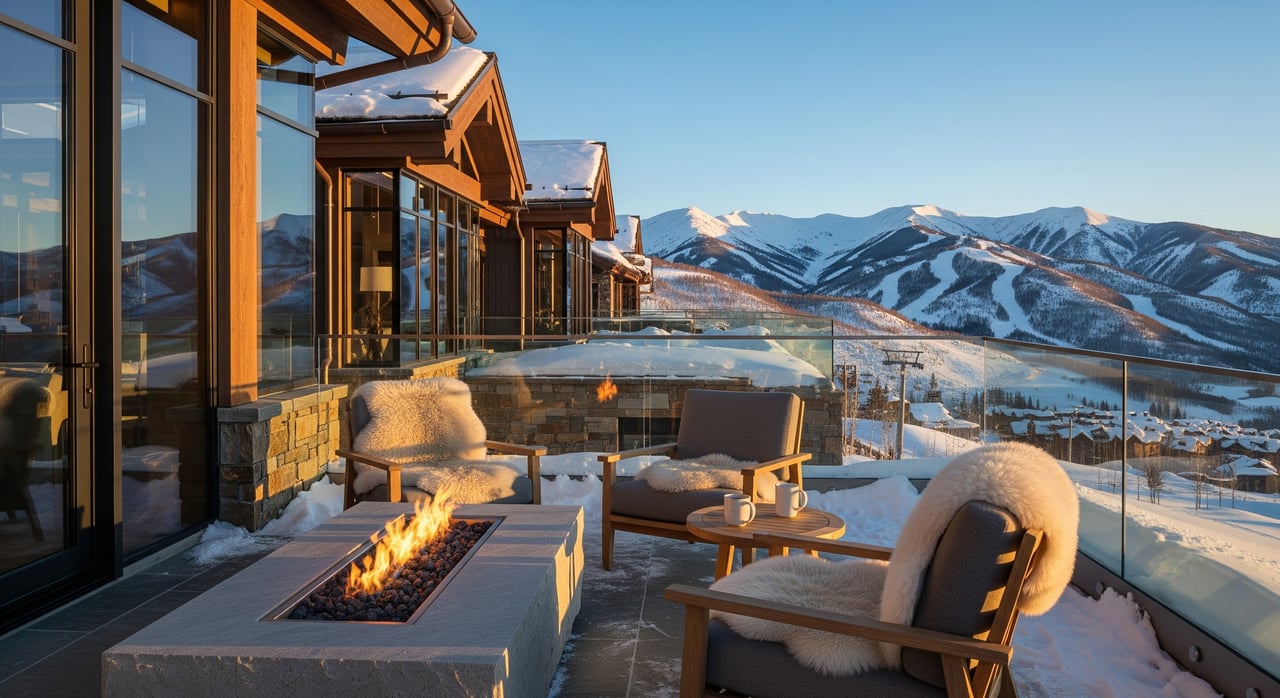
Park City and Deer Valley sit around 7,000 feet, so snow and mountain weather set the pace. Winter brings peak visitors and a lively ski culture. Summer is outdoor focused with hiking, biking, fly fishing, golf, and concerts. Spring and late fall slow down, which locals often love for the quieter trails and easier reservations.
Visitor patterns matter. Winter holidays, Presidents’ Week, and the January film festival week bring noticeable spikes. Summer holiday weekends are busy too, but day-to-day life is usually less congested than the winter peak. As a full-time resident, you will adapt routines to the season and enjoy the benefits each one offers.
Winter is about alpine skiing and snow culture. Deer Valley is known for groomed terrain and polished guest service. Park City Mountain offers expansive, varied skiing. Expect heavier traffic on I-80 and SR-224 during snow events and festival windows, plus higher demand for snow removal and winter-ready vehicles.
For many locals, winter is social and active. Group ski days, neighborhood shoveling parties, and après meetups are common. Be ready for snow days and flexible school or commute plans when big storms roll through.
Warmer months bring long daylight and an easy outdoor routine. Mountain biking, hiking, trail running, fly fishing, and golf fill the calendar. You will find a full slate of concerts and cultural programming, including performances at Deer Valley. Visitor numbers increase on summer weekends, but weekday life feels relaxed and accessible.
Spring melt and late fall are slower and practical. Some restaurants shorten hours or pause service, and lodging demand drops. For locals, this is prime time for home projects, renovations, and easier access to trails and services. It is a good window to settle in, meet neighbors, and learn the town without the crowds.
You have a wide range of neighborhoods, each with a distinct rhythm and access style. Here are common choices locals consider for full-time living.
This is the most walkable area with historic homes, dining, and nightlife. You can live near the Park City Mountain base, walk to coffee, and hop on transit. It is lively year-round with a mix of full-time residents and vacation properties.
Upper and Lower Deer Valley offer quieter, luxury-focused living and convenient ski access. Many full-time households choose these neighborhoods for residential feel and direct access to the slopes. Expect a polished environment and a mix of primary and second homes.
This corridor concentrates condos, townhomes, and services. Groceries, retail, and quick access to the interstate make it practical for commuting to Salt Lake City. It is a convenient hub for year-round living with easy transit connections.
Prospector has a suburban vibe with a mix of housing types and a strong local feel. It is popular with long-term residents and those who commute. You will find bike paths, transit access, and neighborhood conveniences.
Closer to Salt Lake access, Jeremy Ranch offers a suburban setting with golf and quick highway connectivity. It is a fit if you want a primary home with easier commuter logistics while staying in Summit County.
These Deer Valley enclaves deliver privacy, luxury amenities, and ski-in or ski-out access in select areas. They include a blend of owner-occupied second homes and full-time residents. Expect premium pricing for location and lifestyle.
Entry points for full-time living are typically condos or townhomes near services and transit, or smaller single-family homes outside the immediate resort bases. Ski-in or ski-out properties carry meaningful premiums, and overall housing costs are above national averages. The market draws second-home buyers, investors, and remote workers, which shapes pricing and inventory.
If you plan to buy, factor in HOA rules, potential rental policies, and seasonal maintenance. A neighborhood that feels quiet in October may feel very different during a January powder cycle. Your agent can help you test-drive daily routines by season before you commit.
Short-term rentals are visible across many resort-adjacent neighborhoods. Local governments require registration and tax collection for rentals, and rules are evolving. Always verify municipal and county codes and review HOA CC&Rs for any property you are considering.
For full-time living, consider how rental turnover affects noise, parking, and building services. In some areas, on-site management keeps things orderly. In others, a self-managed building may feel busier on weekends and holidays. Clarity on building policies will help you pick the right fit.
A clear-weather drive to downtown Salt Lake City is commonly about 30 to 45 minutes, and the airport is about 35 to 50 minutes. Plan extra time during winter storms or visitor surges. Park City Transit runs multiple routes and many are fare-free, connecting Old Town, Kimball Junction, the ski areas, and surrounding neighborhoods.
Most full-time residents keep a car, but if you live in Old Town or at a base area, you can minimize daily driving. If you commute to Salt Lake City, watch the forecast, keep winter tires on, and leave buffer time for snow and traffic holds.
Park City School District operates public schools across elementary, middle, and high school levels, and there are private and charter options in the region. If you have school-age children, check district boundaries and bus routes for your exact address. Enrollment timing matters, so plan ahead.
Healthcare access includes local clinics and urgent care facilities in the Park City area. For specialized care or major hospital services, many residents go to Salt Lake City. In winter, add time to appointments in case of storms.
Broadband has improved, and fiber or high-speed options are available in many neighborhoods. Availability can vary block by block. Always verify service at the specific address you are considering.
Utilities and heating costs are higher than at lower elevations due to longer, colder winters. Water supply ties to regional snowpack, so periodic conservation measures can apply. If you garden or landscape, choose designs that fit the climate and water guidance.
Mountain homes need a winter-ready plan. Schedule roof inspections, clean gutters, and check heating systems before the first big storm. If you are considering a driveway snowmelt system, weigh the convenience against higher utility and maintenance costs.
Wildfire awareness and vegetation management are part of life near the wildland-urban interface. Create defensible space where required and review local fire district guidance. Ask about property-specific risks like debris flow, landslide, and flood when you evaluate a lot or subdivision.
Insurance needs can include coverage for snow load and region-specific hazards. Property taxes are set by Summit County and vary by property, exemptions, and use. Your agent can help you review county records and projected holding costs before you write an offer.
You get a world-class outdoor lifestyle, strong community engagement in trail stewardship, and robust arts and culture. Dining and retail are excellent for a mountain town, especially around Main Street and Kimball Junction. You will enjoy social energy in winter and a relaxed rhythm in summer.
Balanced against that, expect a higher cost of living, winter travel variability, and more visitors during peak periods. Shoulder seasons can bring reduced hours at some businesses. If you go in with a seasonal mindset and a good home and transit plan, you will likely find that the benefits outweigh the tradeoffs.
If you are deciding between Old Town walkability, Deer Valley ski access, or Kimball Junction convenience, you need clear comparisons and on-the-ground context. Our advisory approach helps you:
From buyer and seller representation to relocation coordination and sight-unseen transactions, our team delivers hands-on guidance backed by local experience. When you are ready to explore, we will map out a plan that fits your timeline and your lifestyle.
Ready to talk through a neighborhood short list, compare communities, or set up a visit itinerary? Reach out for a friendly, data-led conversation with Cathy Richards. Schedule a Complimentary Market Consultation and get a clear action plan for your move.
Cathy & Ilies are dedicated to helping you find your dream home and assisting with any selling needs you may have. Contact us today to start your home searching journey!