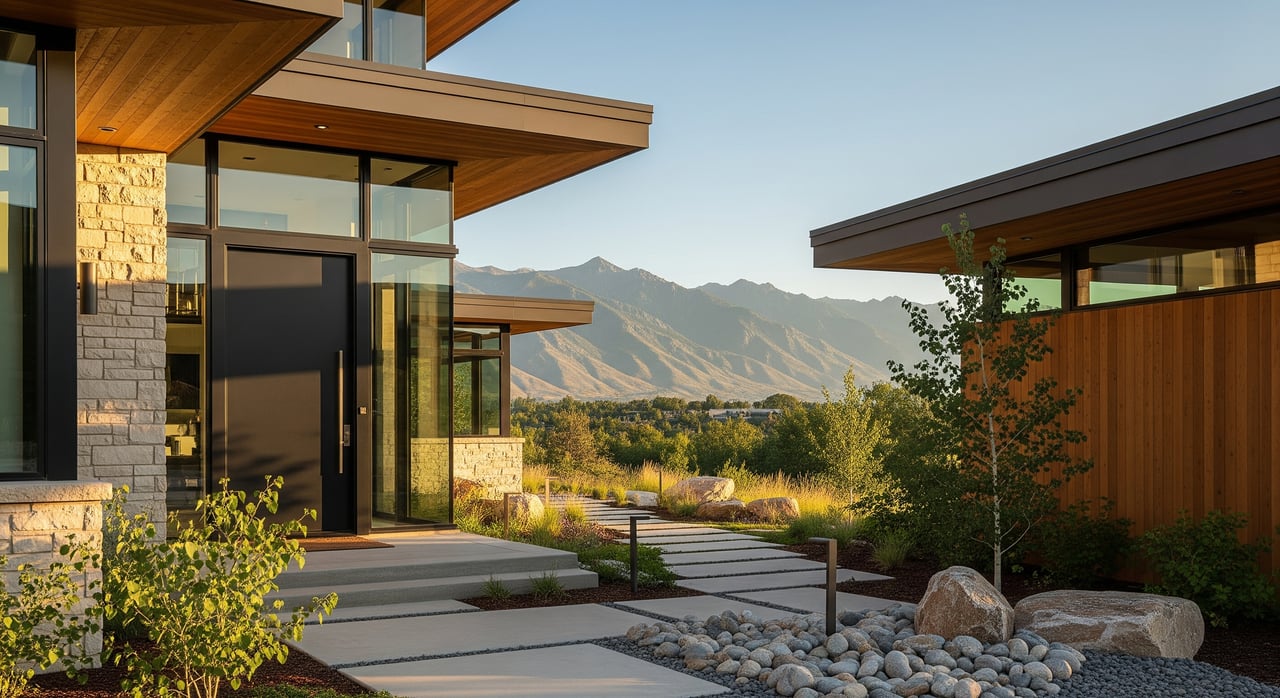
Millcreek Homebuying 101: From Search to Keys
December 18, 2025
December 18, 2025
Dreaming of Millcreek’s foothills, quick downtown access, and weekend canyon escapes, but not sure how to start? You are not alone. Buying here is doable when you understand the local micro-markets, how to structure a strong offer, and what to inspect in older homes. This step-by-step guide walks you from pre-approval to keys with Millcreek-specific tips you can use today. Let’s dive in.
A written pre-approval from a lender licensed in Utah sets your budget and strengthens your offer. Build a realistic cost picture that includes closing costs, homeowner’s insurance, and Salt Lake County property taxes. If a home has an HOA, review monthly dues and rules early to avoid surprises.
Create a list of must-haves versus nice-to-haves. Many Millcreek buyers prioritize commute times, canyon or foothill access, and lot orientation for views. This clarity keeps you focused when competition heats up.
Use filters that reflect how you live: commute routes, TRAX or bus access, proximity to parks and trailheads, and lot position for views. Plan in-person tours at different times of day to assess traffic, light, and noise. Keep a shortlist of micro-markets, such as foothill bench strips or pockets near Millcreek Canyon access, where demand often runs higher.
Ask your agent for micro-market comps from the last 30 to 90 days, plus active listings on the same block. Small location differences matter more than citywide averages. Request the Utah Seller Property Condition Disclosure as early as possible so you can flag issues before you write.
Line up a trusted local lender and title company to keep timelines tight. If a seller wants a short close, this preparation can set you apart.
In Utah, standard offers include price, earnest money, financing and inspection contingencies, a proposed closing date, and how closing costs are allocated. In competitive pockets, sellers prefer certainty and flexibility. A strong pre-approval, clear proof of funds, reasonable earnest money, and a flexible closing date can stand out.
Consider an escalation clause with a firm cap if you expect multiple offers. Understand the tradeoffs of tightening contingencies before you commit.
Plan a 7 to 14 day due diligence period. Use a local inspector who knows Millcreek’s older construction and soils. Add targeted inspections as needed, such as sewer scope, radon test, roof, chimney, or HVAC.
Negotiate repairs or ask for seller credits based on findings. Credits are often smoother for cosmetic items and deferred maintenance.
After inspections, your lender orders the appraisal and final underwriting usually takes 2 to 3 weeks for conventional loans, though timelines vary. Coordinate with a Salt Lake County title company for title search, tax proration, and closing documents. Verify any recorded easements or assessments early to keep closing on track.
Schedule utility transfers ahead of closing. If you plan immediate renovations, review Millcreek permitting requirements and confirm whether any prior work was permitted. Good records help with insurance and future resale.
Expect more activity in foothill and bench areas, homes with canyon or valley views, properties close to transit, and well-renovated older homes. During periods of low inventory, multiple offers in these pockets are common.
Consider increasing your offer when recent comps support the price and the home aligns with your long-term goals. Walk away if the price would strain your budget or if inspections reveal costly structural or safety issues that do not fit your risk tolerance.
Hire specialists for sewer scopes, structural concerns, roofing questions, HVAC performance, pest checks, and radon testing. Targeted expertise can reduce surprises and sharpen your negotiation.
Sellers often address major safety issues or provide credits. Cosmetic fixes are commonly left to buyers unless they affect function or compliance.
Request HOA documents early to review assessments, reserves, and use restrictions. Confirm fees and community guidelines before your financing and appraisal steps.
Choose licensed, insured inspectors and contractors with Millcreek and Salt Lake County experience. Seek teams familiar with seismic retrofits, drainage on slopes, basement waterproofing, and roofs designed for snow loads.
Buying in Millcreek rewards preparation. When you pair a strong pre-approval with a focused search, smart offer strategy, and targeted inspections, you can compete effectively and avoid costly surprises. If you are relocating or buying from afar, a high-touch team can coordinate tours, inspections, and closing logistics so you feel confident at every step.
If you are ready to explore Millcreek or want a second opinion on your plan, connect with Cathy Richards for a concierge-level, data-informed consultation tailored to your goals.



Cathy & Ilies are dedicated to helping you find your dream home and assisting with any selling needs you may have. Contact us today to start your home searching journey!