Thinking about a home near Deer Valley’s new East Village but unsure what “resort adjacency” actually means? You are not alone. If you are comparing Park City submarkets, pre‑construction options, and rental potential, the details can feel complex fast. This guide gives you a clear framework to evaluate location, ski access, infrastructure, costs, and contract terms so you can buy with confidence. Let’s dive in.
East Village, Mayflower, Jordanelle: What it is
The East Village and Mayflower corridor sits on the eastern side of Jordanelle Reservoir in Wasatch County, just south and east of Park City. Much of it lies in unincorporated Wasatch County, often referred to as the Independence or Jordanelle area. Nearby jurisdictions include Heber City, Park City limits, and Summit County.
Developers and marketers often use “Deer Valley East Village,” “Mayflower,” and “Jordanelle corridor” interchangeably. For any property, confirm the exact jurisdiction and development footprint. Ask whether it is within unincorporated Wasatch County, annexed into a city, or part of a specific master plan with defined amenities and services.
What you will find on the ground
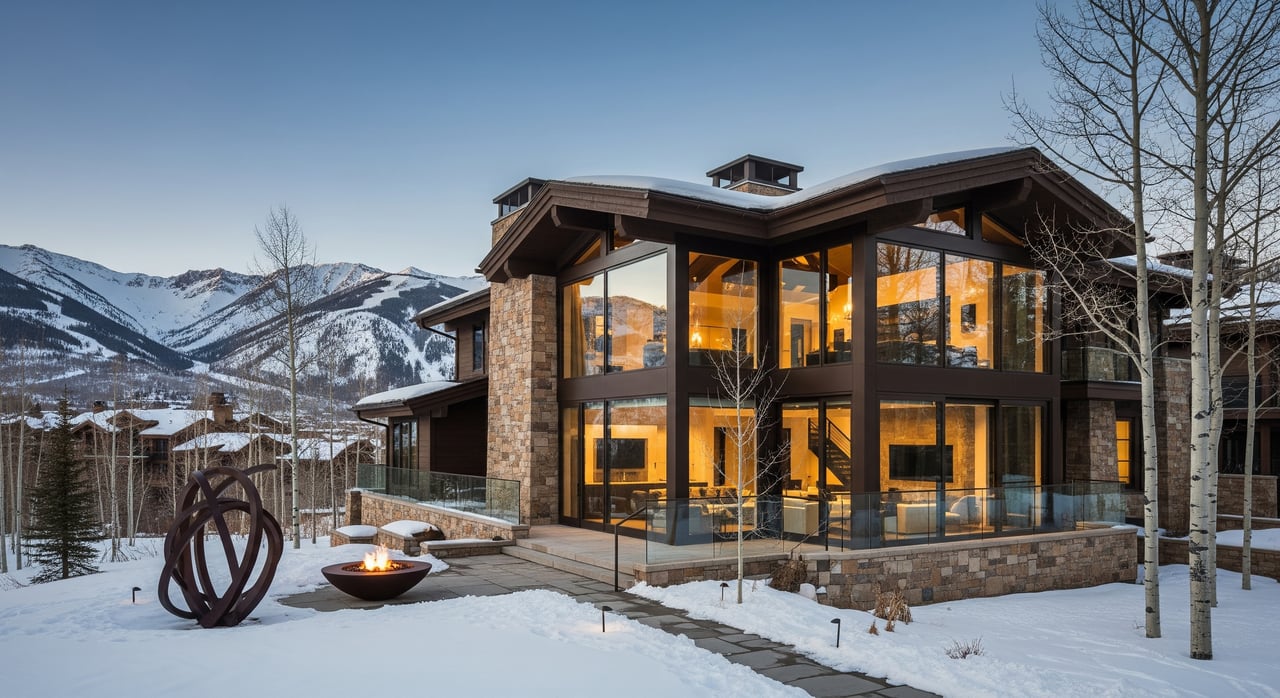
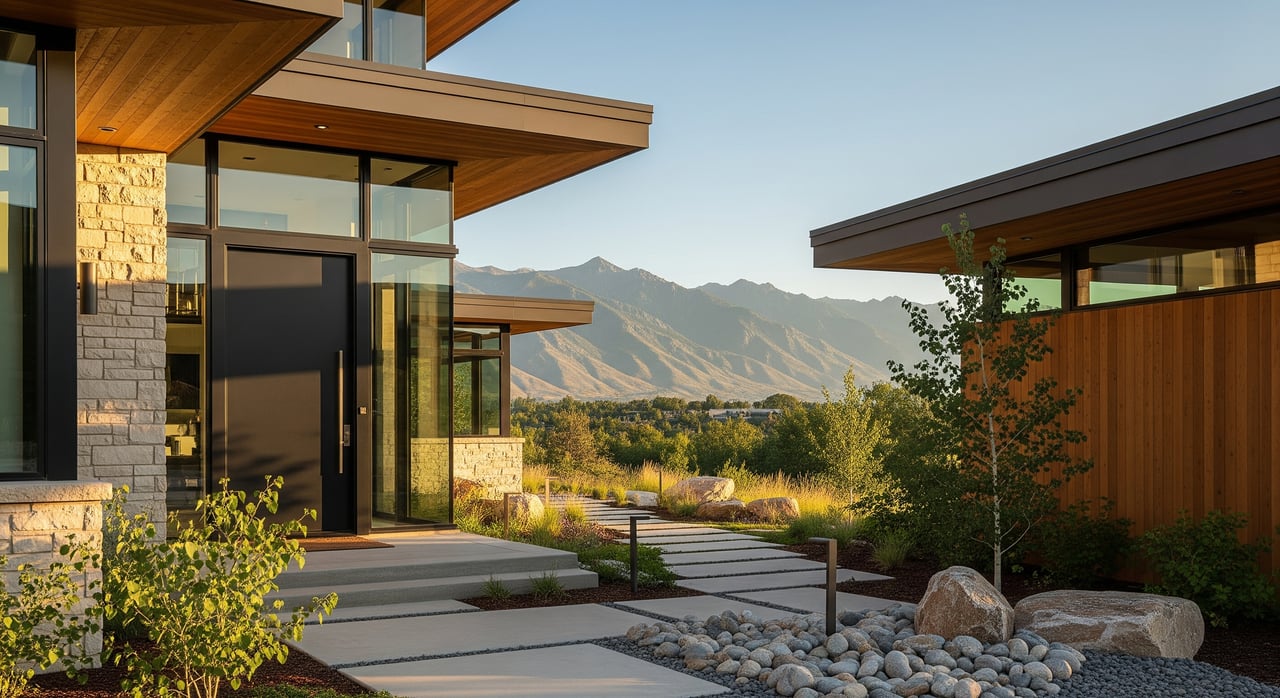
You will see new luxury condominiums, townhomes, and single‑family homes designed for resort living. Many master plans include a walkable village concept with lodging, retail, dining, and ski services. Inventory types range from finished speculative homes to pre‑construction units, condo‑hotel or fractional offerings, and custom lots.
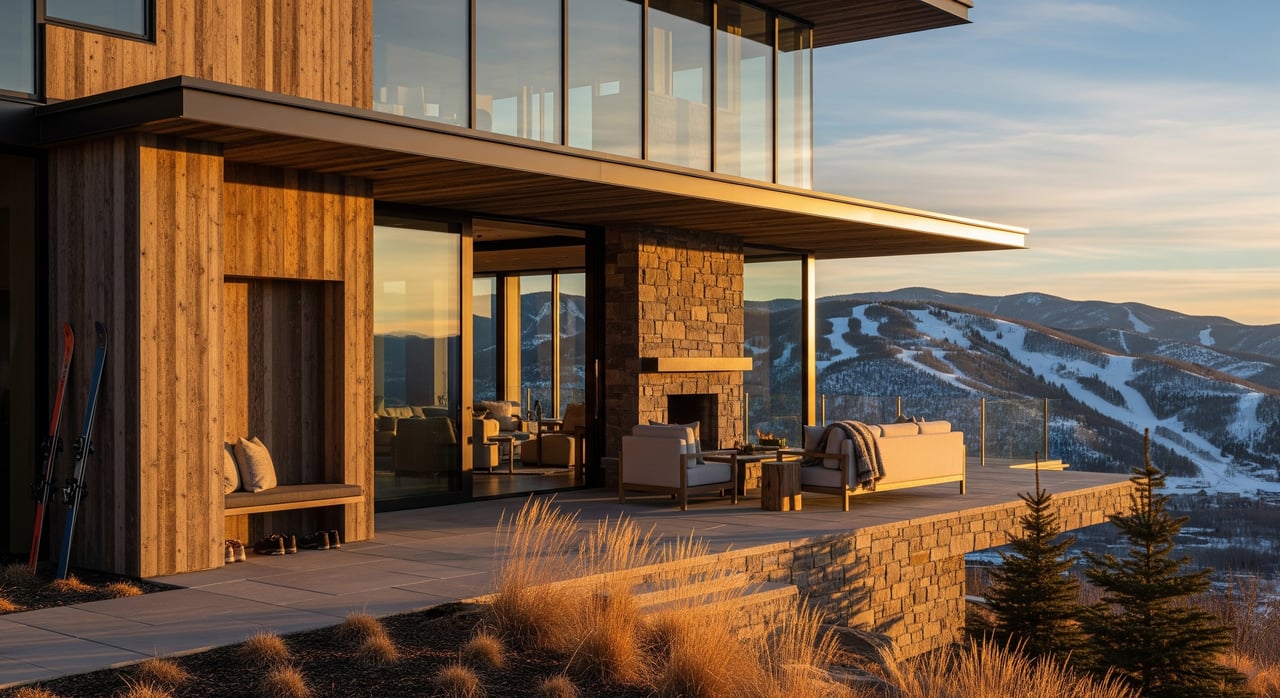
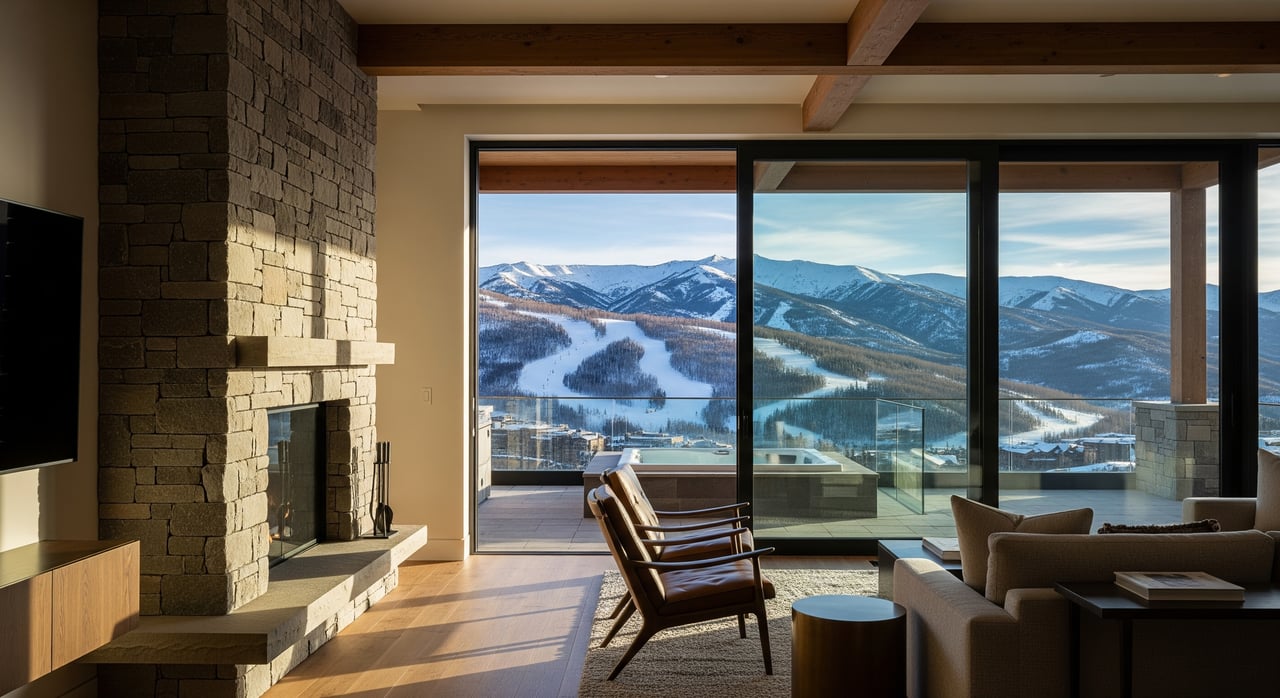
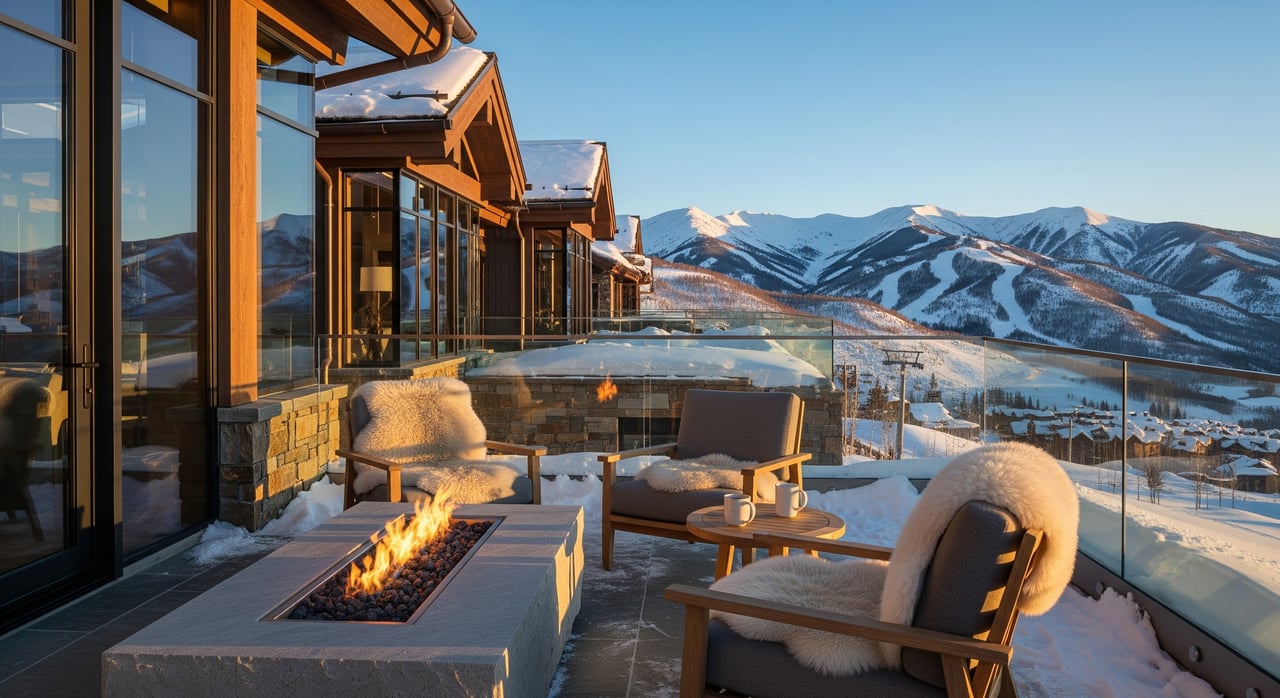
Proximity to Deer Valley is the headline. Actual on‑snow access varies by project, from true ski‑in/ski‑out to walkable village access or a short shuttle or gondola connection. Treat “Deer Valley access” as a claim to verify for each project rather than a blanket rule.
Getting there and getting around
From the Salt Lake City area, common routes include I‑80 and Highway 248 or US‑189 via Heber. Winter weather can change drive times, so check current conditions and typical patterns with official road resources or real‑time mapping. Salt Lake City International Airport is the main gateway, and private transfers or shuttles are common for second‑home owners.
On site, winter operations matter. Ask who plows roads and drives, where snow is stored, and how parking is managed during peak weeks. For steep or more remote parcels, understand the HOA’s winter maintenance plan and reserve funding for ongoing service.
Utilities and broadband
New phases may require extensions for water, sewer, and power. Confirm whether a project uses municipal services or onsite systems and whether connections are complete or tied to later phases. Broadband and cellular coverage can vary by canyon and elevation. Request current provider maps, recent speed tests, and any planned upgrades, especially if you will work remotely or plan to market rentals.
Ski access: read the fine print
Ski access drives value and rental demand, but it is not one‑size‑fits‑all.
- True ski‑in/ski‑out: You can click in and out from the property boundary. Verify mapped trails, easements, and seasonal operations with the developer and the resort.
- Walkable village access: A short walk to lifts, ski valet, or a gondola. Confirm distance, grade, and winter walkway maintenance.
- Shuttle or vehicle transfer: Understand pickup points, frequency, and hours. Ask about peak‑day capacity.
Also verify planned on‑mountain and village amenities, such as ski valets, tuning facilities, heated walkways, and locker access. Ask for resort liaison contacts and operating schedules before you rely on any marketing description.
Lifestyle and year‑round appeal
Skiing is only part of the story. Jordanelle Reservoir brings boating, fishing, paddling, and lakeside trails to your doorstep in summer. Heber Valley offers golf, mountain biking, and scenic activities that help smooth seasonality for personal use and rentals.
Village retail and dining often roll out in phases. If you want immediate convenience, note proximity to everyday services in Heber City or Park City. Ask for the project’s phasing plan and milestone dates so your expectations match what will be open when you take ownership.
Costs, taxes, and rental rules
Your ongoing costs depend on exactly where the parcel sits and how you use it.
- Property taxes: Rates vary by jurisdiction. Review tax history and current levies with the county assessor’s resources.
- Short‑term rentals: Rules differ across unincorporated Wasatch County, Heber City, and Park City. Confirm whether nightly rentals are allowed, any licensing steps, and transient room tax obligations with the applicable planning department and your HOA.
- HOA dues and reserves: New communities sometimes set lower early dues. Request the budget, reserve study, and escalation projections. Look for clear line items for plowing, exterior maintenance, staffing, and amenity operations.
- Insurance: Mountain homes can carry higher premiums for wind, hail, and seasonal risks. For pre‑construction, review builder warranty coverage and how claims are handled.
- Financing and taxes: Second‑home and new‑construction loans often require higher down payments and tight appraisal timelines. If you plan to rent, speak with a tax advisor about Utah’s treatment of nonresident income.
Pre‑construction checklist you can trust
If you are buying a unit or home before completion, use a structured review:
- Developer and team: Research the developer’s track record, past completions, and any litigation history. Ask for references and prior project examples.
- Entitlements and permits: Confirm zoning, building permits, environmental reviews, and utility commitments. Get written timelines for each.
- Construction schedule: Request firm milestone dates, estimated completion, and remedies for delays. Ask how changes are communicated.
- Deposits and escrow: Know the deposit schedule, refundability, and escrow safeguards. Clarify what triggers a requirement to close.
- Specs and upgrades: Get a fixed list of included finishes and appliance brands. Ask for pricing on options and the deadlines to decide.
- Warranties and defects: Review builder warranties for structural and systems coverage, plus the punch‑list process.
- Condo docs and CC&Rs: Read rules on use, rental, pets, parking, and commercial activity. Understand voting, special assessments, and reserve policies.
- Phasing and adjacency: Map later phases, temporary roads, and construction zones that may affect your view, noise, or access.
- Title and easements: Order a full title report. Confirm slope, access, ski, and utility easements, plus any mineral rights issues.
- Professional review: Have a Utah real‑estate attorney review your contract and disclosures. Work with a local realtor who knows resort new construction.
Pitfalls to avoid
Even sophisticated buyers can trip over a few common issues.
- Overreliance on renderings. Materials, finishes, and village buildout may differ from marketing images. Tie key deliverables to the contract.
- Misunderstanding access. “Resort adjacent” is not the same as direct lift access. Verify exactly how you reach the snow and how long it takes on peak days.
- Underfunded reserves. New HOAs sometimes start lean. Stress‑test dues for realistic staffing, plowing, and amenity costs.
- Appraisal gaps. Unique, luxury product can lag on appraisal data. Build in time for lender review and discuss contingency options early.
Compare East Village to Park City
When you benchmark East Village against Park City core submarkets, focus on practical factors.
- Ski proximity: True ski‑in/ski‑out versus walkable or shuttle connections.
- Village feel: Newer plans with phased amenities versus mature retail and dining in established areas.
- Rental dynamics: Winter‑heavy demand near lifts and summer activity from Jordanelle and Heber.
- Inventory: New product with early pricing in some projects versus premium pricing in legacy neighborhoods with long rental histories.
- Regulations: Short‑term rental rules differ by jurisdiction and can shape revenue potential.
- Travel logistics: Airport transfers and winter driving depend on route, weather, and peak periods.
Smart next steps
Buying in a fast‑evolving resort corridor rewards careful due diligence. Start by defining your ski access requirement, rental objectives, and tolerance for phased amenities. Then gather project documents, confirm jurisdiction and rental rules, and verify utilities and broadband. If you are considering pre‑construction, align on timeline, deposit protections, and warranty coverage before you sign.
If you would like a structured, concierge process, our team can help you source the right inventory, benchmark comps, coordinate site and virtual tours, and manage pre‑construction reviews with local attorneys, lenders, and title. Connect with Cathy Richards to Schedule a Complimentary Market Consultation.
FAQs
Is Deer Valley East Village truly ski‑in/ski‑out?
- It depends on the specific project; verify mapped trails, easements, and resort confirmations to know whether access is direct, walkable, or shuttle based.
Where exactly is “Independence” in Wasatch County?
- Independence refers to unincorporated areas near the Jordanelle corridor; confirm the precise parcel location and jurisdiction on county maps and project plats.
Can I rent my East Village home nightly?
- Short‑term rental rules vary by jurisdiction and HOA; confirm permissions, licensing steps, and transient room tax requirements with local planning and association documents.
How long is the drive from the airport in winter?
- Travel times vary by route, weather, and events; check official road resources and real‑time mapping before trips and plan extra time during storms or holidays.
Will the planned village amenities be open when I close?
- Ask for the developer’s phasing plan and milestone dates so you know which amenities will be complete and which are scheduled for later phases.
Is broadband reliable in the Jordanelle corridor?
- Coverage and speeds depend on the provider and exact location; request current service maps, recent speed tests, and any planned upgrades for your address.
What should I review in a pre‑construction contract?
- Focus on permits, deposit protections, completion milestones, specs, warranties, HOA budgets, reserve studies, and title reports, then seek legal review by a Utah expert.